When you incorporate yoga and mobility into your climbing training, you will find that becoming a better climber takes more than just building strength. Greater flexibility, improved balance, and better body awareness can help you reach holds, position your hips, and move more efficiently on the wall.
Climbing is often described as a sport of strength. Pulling power, grip strength, and core tension all matter, but strength only gets you so far.
The best climbers know how to move. They high-step onto small footholds, twist their hips toward the wall, reach around corners, drop their heels, open their hips, and find positions that initially seem impossible. The difference between making a move and falling can come down to having enough mobility to put your body where it needs to go.
Yoga can help you practice controlled range of motion, balance, and body awareness. Those qualities can support climbing movement, but yoga does not replace climbing-specific technique, strength, or power training.
Why Mobility Matters for Climbers
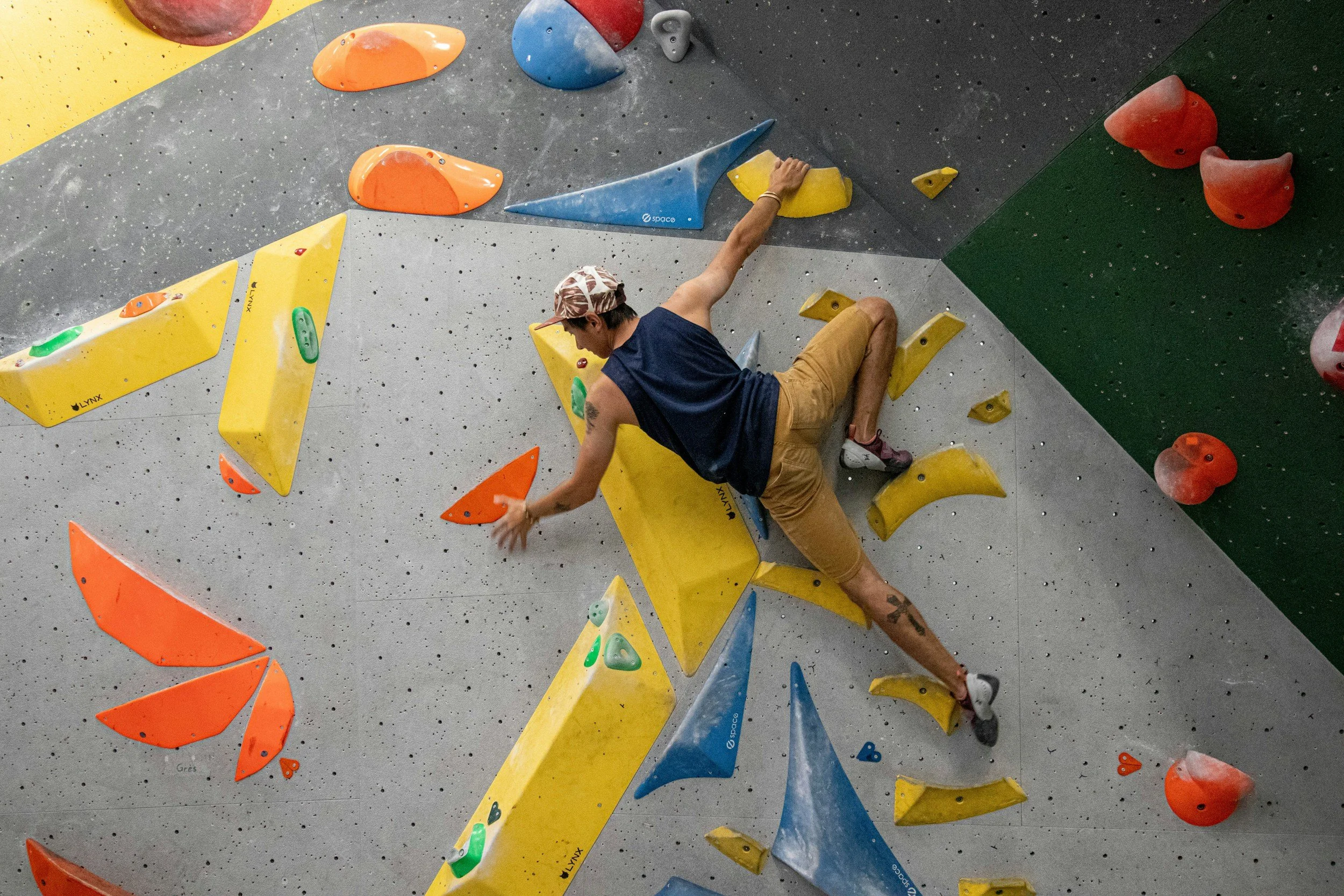
Climbing puts your body in positions that do not arise in everyday movement. A high step may require significant hip mobility. A stem can demand flexibility through your hips and inner thighs. A heel hook requires you to generate force while maintaining precise positioning through your legs and hips. Even reaching for a distant hold can require mobility through your shoulders and torso.
When your range of motion is limited, you may compensate by pulling harder, twisting awkwardly, or using more energy than necessary. Over a long session, those small inefficiencies add up.
Better mobility can help you:
Reach holds without overextending
Position your hips closer to the wall
Use high feet more effectively
Maintain better balance on small footholds
Rotate through your hips and torso
Move between positions more smoothly
Reduce unnecessary tension during movement
In other words, flexibility is not just about how far you can stretch. It gives you more options on the wall.
Yoga Trains Movement, Not Just Stretching
One common misconception is that yoga for climbers is simply a stretching routine. Yoga can improve flexibility, but its value for climbers goes further. It also develops body awareness, balance, stability, breathing, and controlled movement.
Those skills translate well to climbing. A climbing problem is a movement puzzle: you have to decide where your hands and feet need to go, how your weight should shift, and how to position your body for the next move.
Yoga encourages you to pay attention to those same details. Instead of rushing through a movement, you learn to notice where you hold tension, how your weight is distributed, and where your body limits your range of motion. That awareness can help you climb more efficiently.
Start With Your Hips
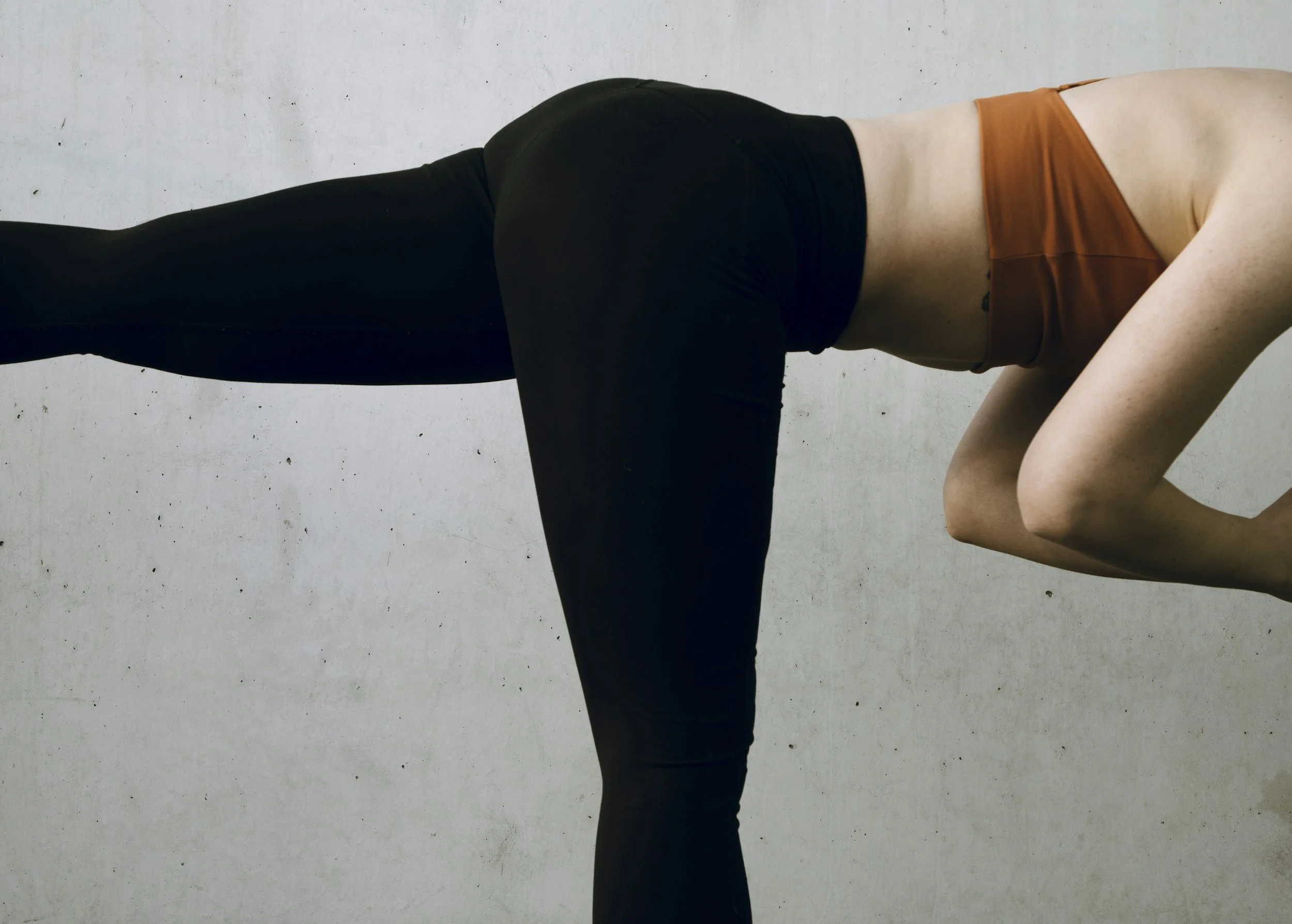
If there is one area climbers should pay particular attention to, it is the hips. Hip mobility plays a major role in high steps, drop knees, stemming, flagging, and many other climbing movements. Tight hips can make it harder to rotate your body toward the wall or bring your knee into the position you need.
Yoga poses that involve hip opening and controlled rotation can help you explore this range of motion. Examples include:
Pigeon pose
Low lunge
Lizard pose
Figure-four variations
Wide-legged forward folds
Warrior variations
The goal is not to force yourself deeper into a pose. Focus instead on developing a controlled, comfortable range of motion that you can eventually use while climbing.
Give Your Shoulders and Upper Back Attention, Too
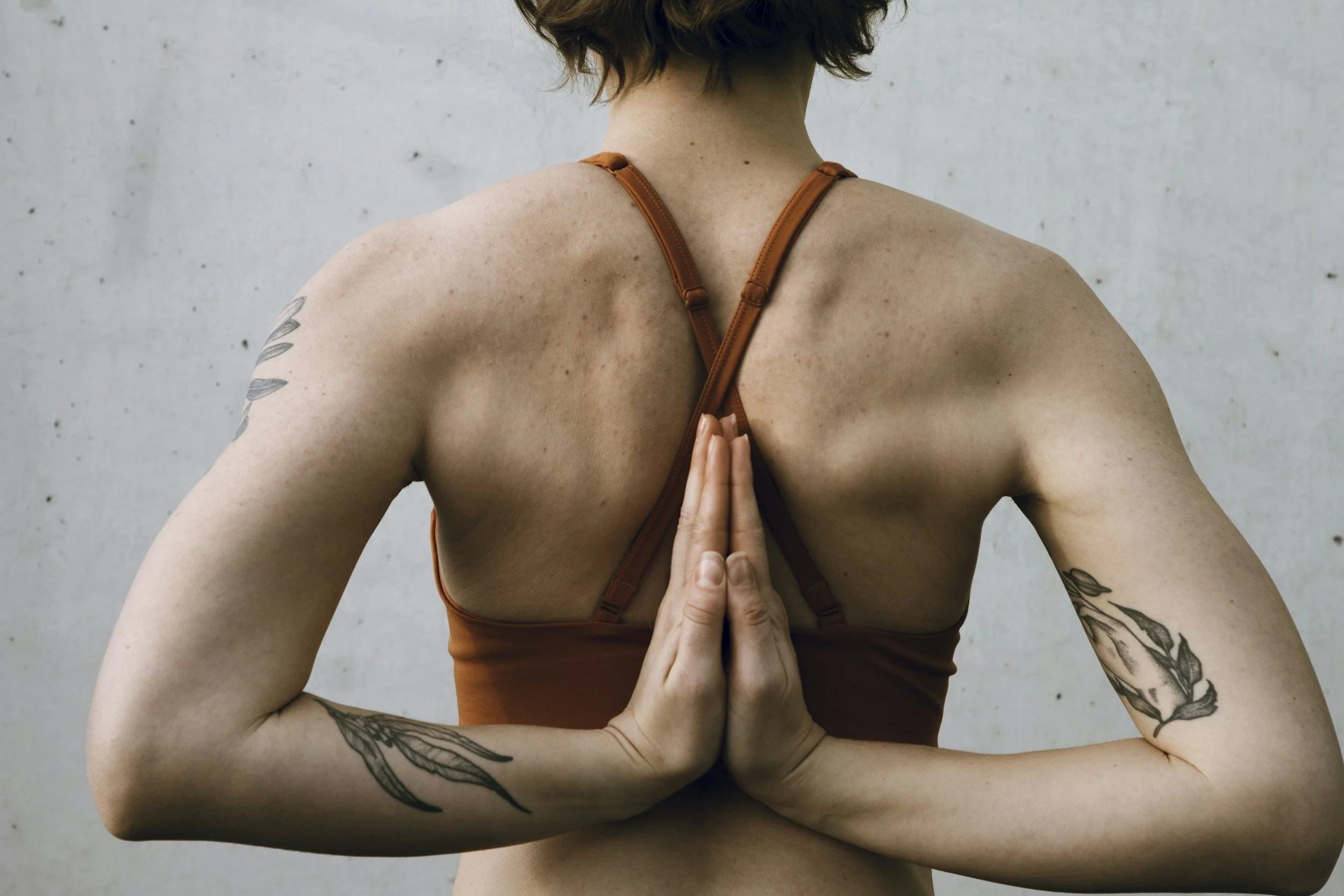
Climbers spend a lot of time pulling, so the shoulders, upper back, and surrounding muscles can accumulate plenty of tension. Yoga can complement climbing by introducing movements that encourage controlled shoulder mobility and thoracic spine rotation.
Cat-cow, thread the needle, downward dog, puppy pose, and gentle twists can all be useful additions to a mobility routine. This does not mean climbers should avoid strength work in favor of flexibility. Healthy climbing movement requires both mobility and stability. You need enough range of motion to reach a position, along with enough strength and control to stay there.
Use Yoga as Part of Your Recovery Routine
Mobility work can also complement hard climbing sessions. After a challenging session, climbers often feel tension in their forearms, shoulders, back, hips, and legs. A gentle, low-intensity session may be a way to move and relax between harder sessions, but it is not a substitute for rest or professional care. Keep each pose pain-free, avoid forcing end range, and modify or skip poses if you have an active injury or persistent symptoms. Yoga can be particularly useful when you incorporate it alongside, rather than instead of, climbing and strength training.
Build a Simple Cross-Training Routine
Climbing already combines strength, coordination, balance, and problem-solving. Adding yoga can round out that practice by emphasizing mobility, control, and awareness.
Use your current climbing plan as the anchor, then add one short mobility session at first. Adjust the number and intensity of climbing, strength, and yoga sessions to your experience, injury history, total training load, and recovery. Treat this schedule as an example, not a universal prescription.
You do not need to become a dedicated yogi to benefit. Even a short mobility session can help you identify where your movement is restricted and give you another tool for improving your climbing. Adjust the schedule to match your training load, experience, and goals.
The Goal Is Better Movement, Not More Flexibility
For climbers, flexibility is most valuable when it translates into movement you can use on the wall.
A more mobile hip can support a high step. Better shoulder mobility can help you reach. Improved spinal rotation can help you stay close to the wall. Better body awareness can help you recognize when you are wasting energy. Greater control can help you turn all of that mobility into efficient movement.
Think of yoga as another tool in your climbing toolbox. You are not stretching simply so you can touch your toes. You are developing the ability to move through more positions with control and confidence. When the next route asks you to make a move you could not quite reach before, that extra range of motion might be exactly what gets you there.
Ready to Move Better?
At Rose Rock, climbing is part of a bigger approach to fitness and movement. The gym currently offers bouldering, top-rope and lead climbing, yoga and fitness classes, youth programs, and private climbing classes, so you can build strength, practice technique, and add mobility work in one place.
Add yoga and mobility work to your climbing routine, and you may find that getting stronger is not the only way to become a better climber. Sometimes, the next breakthrough comes from learning how to move better.